Emma Roberts formed a Prayer Union in London for young women and girls of all classes. Mary Jane Kinnaird also opened a home with Evangelical purpose in London for young women away from their home.
Timeline
Timeline
One hundred years of activism doesn’t happen overnight. It’s built moment by moment, protest by protest, and breakthrough by breakthrough. Since 1924, The Young Women’s Movement has been at the forefront of the fight for gender equality in Scotland.
Scroll through our history to see how we’ve evolved from our early roots to the bold, intersectional movement we are today. This is a century of progress, powered by young women.
The Edinburgh branch of the prayer group was founded in 1859 in direct connection with The Prayer Union that began in London in 1855.
Mrs Gordon became president of the ‘Scotch’ Division. In 1877 there were YWCA Institutes in Edinburgh, Glasgow, Aberdeen, Dundee and Inverness who were founded and run independently of each other.
In 1884 a draft constitution of the Edinburgh Young Women’s Christian Institute was first drawn up.
The ‘Scotch Divisional Council’, originally set up at 2a Shadwick Place in Edinburgh under Mrs. Gordon’s presidency, moved its office in 1885 to 116 George Street.
A Council meeting on 28th May 1886 at 19 Young Place confirmed that there were now 154 YWCA branches in Scotland alone.
A company was registered as YWCA of Great Britain, which provided the legal form of the Association.
Period of debate regarding the Christian values and Evangelical ethos of the YWCA.
The Scottish Council seceded from the YWCA of Great Britain and formed YWCA Scotland. This was when our organisation officially began.
The Equal Franchise Act of 1928 granted equal voting rights to women and men. As a result, both men and women could vote at the age of 21.
Lochend Centre Edinburgh was created to assist with building community spirit in a new housing scheme in Edinburgh.
The YWCA accepted grant aid and became part of the National Youth Service during a period of mass unemployment.
During WW2, YWCA GB member, Jeanette Palmer, wore an army uniform and illegally drove a van across the border to Switzerland from England to save the YWCA archives from destruction during the war.
The YWCA Collaborated with women service units during the war. From 1942 the YWCA opened 88 hostels for “land girls” – women who worked on farms in place of men who were serving in the military.
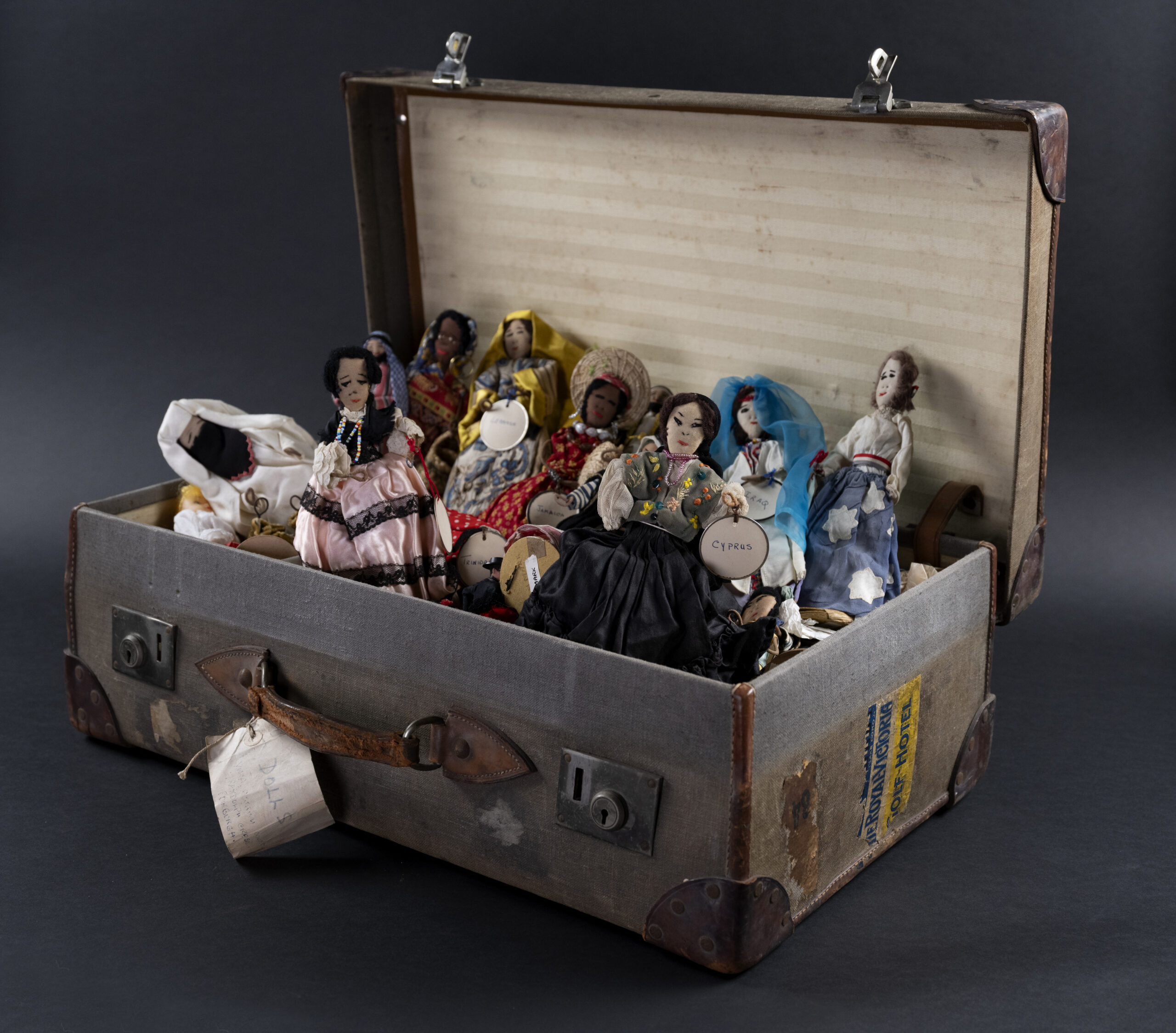
“Dolls of the Nation” exhibition included our dolls at the YWCA GB centenary celebrations in Edinburgh in 1955.
Abortion Act legalising abortion under specific conditions in England, Scotland and Wales. The Young Women’s Movement was campaigning with Let’s Change the Act Scotland to decriminalise abortion.
Family Planning Act passed which enabled local health authorities to provide contraception to all women regardless of marital status.
The aims of our YWCA Scotland were amended to include “Recognising the equal value in God’s sight of all human beings without distinction of race, nationality or religion”.
YWCA Scotland Edinburgh Central Office moved from George Street to Randolph Place.
Throughout the 1970s Stella Reekie welcomed new Scots to her international flat in Glasgow. Read more about Stella Reekie.
The Equal Pay Act 1970 was the first piece of UK legislation which enshrined the right to pay equality between women and men.
Under the new legislation, it was illegal for employers, landlords, companies, schools and restaurants to discriminate based on sex or marital status.
The Employment Protection Act passed which made it illegal to dismiss women for pregnancy and established rights to maternity leave.
From the mid-nineties there was a shift in the focus of the YWCA to focusing on young women in particular, with an emphasis on supporting women under 30.
The fight against gender based violence became one of the priorities of the YWCA. The organisation began working closely with Zero Tolerance during this period.
Young women delegates attended the opening of the Scottish Parliament.
The Equality Act 2010 legally protects people from discrimination in the workplace and wider society bringing together key pieces of legislation, including the Equal Pay Act 1970, the Sex Discrimination Act 1975 and the Race Relations Act 1976.
March 8th marked the 100th International Women’s Day – Glasgow YWCA celebrated with a show they performed to the community in Glasgow.
This programme is still one of the core programmes run by the YWM’s programmes team today. It allows women to have their voices heard, gain confidence and self-esteem, create positive relationships with other women in their group and celebrate their achievements. Find out more about Empowering Pathways.
Although the debate surrounding the ‘C’ in YWCA began much earlier, in 2014 it was decided that it was no longer inclusive. The Glasgow Centre Joined YWCA Scotland and shortly after the organisation began to be known as ‘YWCA Scotland – The Young Women’s Movement’.
In 2015 we updated our visual branding to The Young Women’s Movement, although we were still known as YWCA Scotland.
Today, this programme exists as YEquality and is offered to primary seven pupils across Scotland.
This programme is still one of the core programmes run by The Young Women’s Movement’s programmes team today. Our current CEO, Jenni Snell, was one of many to be a part of our Young Women Lead cohorts.
YGirls and YBoys developed into YEquality which continues to run in schools today.
The Young Women’s Movement merged with Ypeople (renamed in 2022 to Right There).
100 for the 100th event ran by The Young Women’s Movement to celebrate 100 years of women getting the vote.
The Young Women’s Movement hosted an event with Monica Lennon campaigning for the The Period Products (Free Provision) (Scotland) Act.
The programme began as a partnership between The Young Women’s Movement and the National Society for the Prevention of Cruelty to Children (NSPCC).
The Young Women’s Movement rebranded completely becoming The Young Women’s Movement with a new visual identity and the launch of a new strategic plan.