My archival placement at The Young Women’s Movement
My archival placement at The Young Women’s Movement
- Article
- Young Women Remember
Estimated reading time: 9 minutes
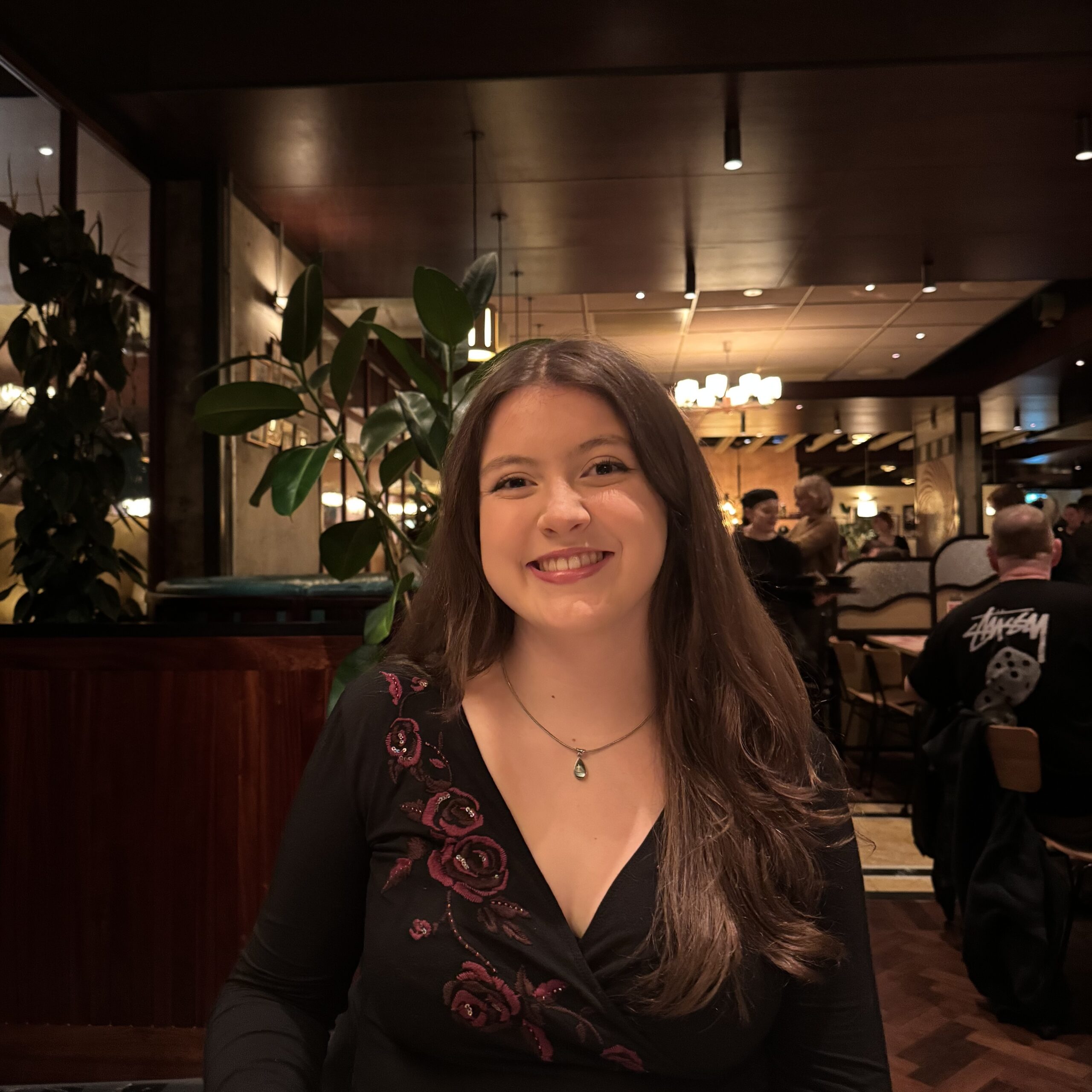
My name is Iona MacMillan, I am a history student at Glasgow University and I recently completed my applied dissertation placement with The Young Women’s Movement.
Over the summer and into December 2025, I found myself in the National Library of Scotland (NLS) looking at lots of varieties of archival documents mostly dated from 1949 through to 1987.
My project involved creating an archive report as part of the Young Women Remember (YWR) research project, which aims to revive and commemorate the history of the Young Women’s Movement. This report involved cataloguing archive materials, producing detailed lists and descriptions of documents and highlighting potential routes for future research. The YWR project provides an opportunity to platform influential women from the organisation’s past and emphasises the importance of collective action. It also encourages previous members to reflect on their experiences and offers insight into how the organisation’s history continues to shape the YWM today.
Historically the Young Women’s Movement was known as the Young Women’s Christian Association (YWCA). They were a Christian organisation which provided a wide range of services, including hostels for working women, field trips, missionary activities, prayer groups, sports clubs, coffee days, crafting events and leadership training. In 1969, the organisation shifted its aims, moving from working primarily with Christian women to ‘recognising the equal value in God’s sight of all human beings without distinction of race, nationality or religion.’ This change resulted in the opening of the organisation to all women, girls, men and boys over the age of eleven.
For my project I selected materials from the 1960s through to the 1980s as this was a period shaped by significant cultural transformations. Notably, the process of secularisation (religion losing influence), the Women’s Liberation movement (Feminist campaigns) and sexual liberation movement. While the archive had lots of potential research routes, by contextualising these materials within these wider cultural shifts, I identified four themes of research. This included, response to secularisation, protests and resistance to sexual liberation, combating alcoholism in youth and the evolving social freedoms within hostels. What interested me the most was the organisation’s fluctuating responses to cultural change. At times, the YWCA appeared to embrace new social attitudes, while at other moments resisted them. My report discusses where these clashes or divergence with social attitude appeared, and how they were shaped by religion, location, and young women’s advocacy.
This placement was so insightful; from handling previously untouched archive material to doing further research on secularisation and working alongside the welcoming heritage team, this experience was very rewarding. Although the amount of material in the archive was initially daunting, reading through the projects YWCA completed, personal correspondence and newspaper clippings, the time flew by!
This work contributes to filling a wider gap in discussion about religious organisations working on the periphery of the Women’s Liberation movement, particularly in Scotland.
The YWCA demonstrates that despite conflicting beliefs around rising secularisation, they remained a vital source of support for many people, and highlight how collective action can lead to meaningful and lasting change.


Iona MacMillan
(She/Her), 23, from Falkirk, living in Glasgow
Over the past nine months, Iona has really enjoyed completing her applied dissertation placement with The Young Women’s Movement.
This involved producing an Archive Report, cataloguing materials from 1902 to 1989 and highlighting potential routes for future research. Alongside this, Iona has also written two profiles on influential women in The Young Women’s Movement’s history, including one on Stella Jane Reekie, and a joint profile on Isabel Fleming and Jessie Service.
A note from The National Lottery Heritage Fund
The National Lottery Heritage Fund is the largest funder for the UK’s heritage. Using money raised by National Lottery players we support projects that connect people and communities to heritage. Our vision is for heritage to be valued, cared for and sustained for everyone, now and in the future. From historic buildings, our industrial legacy and the natural environment, to collections, traditions, stories and more. Heritage can be anything from the past that people value and want to pass on to future generations. We believe in the power of heritage to ignite the imagination, offer joy and inspiration, and to build pride in place and connection to the past.