Read our Young Women’s Movement Response to the Programme for Government 2026-2031!
- Policy
- Rights
- Young Women Demand
- Article
Estimated reading time: 4 minutes
I am a feminist. I believe deeply in collective liberation, in intersectionality, in a world where gender justice is not radical, but normal.
And yet. I still sometimes turn my tote bag around.
It’s a simple thing: a canvas bag printed with the words intersectional feminist, given to me at a feminist event. I carry it with pride. Those words hold years of learning and unlearning, organising, volunteering, and trying (imperfectly) to show up for others.
But when I’m travelling alone.
When I’m outside of cities.
When I’m in unfamiliar places, late at night, or somewhere I already feel too visible?
I hide it.Not because I’m ashamed.
But because I’m afraid.
Being a young woman in public space often means making constant, invisible calculations about safety. Which streets to walk down. Who to avoid eye contact with. Whether to answer back. Where to sit on public transport. Who to message when you get home.
These calculations become instinctive. Our bodies learn risk long before we learn the language for it.
Adding visible feminism into that equation sometimes feels like adding another unnecessary danger. A slogan, a badge, a bag — small acts of visibility that can become invitations. Not always to conversation, but sometimes to hostility or threat.
So, I often soften myself. I tuck things away. I stay quieter than I want to be.
And I hate that I do it.
It sits heavily in my chest because my feminism is not theoretical. It is lived.
I work in the third sector. I volunteer with organisations supporting young people and grassroots activism. I write about social mobility, feminism, and change. Much of my work centres young women’s voices, safety, and agency.
I have built my universe around believing that everyone deserves to take up space.
And yet, when I’m alone in public, I shrink.
How do I hold both?
How do I believe in visibility while quietly choosing invisibility?
How do I advocate for courage while practising caution?
There is no easy resolution to this tension. It lingers. It contradicts. It aches.
There’s a narrative that feminism is about being loud. It’s bold, it’s defiant, it’s unapologetic. But we speak far less about the emotional labour of being visibly political in a world that is not always kind.
Visibility invites explanation. Defence. Education. Confrontation.
It means always being ready to justify your existence, your beliefs, your anger, your hope.
And some days, you are just tired.Some days, you don’t want to be a movement.
You just want to get home safely.
Online spaces complicate this further.
Digital feminism brings connection, solidarity, and community. It allows young women to find language for their experiences, to feel less alone, to build collective power across distance.
But it also brings surveillance, harassment, pile-ons, and threat.
Every post becomes permanent.
Every opinion screenshot-able.
Every story shareable beyond its context.
Before I post, I calculate.
Will this bring solidarity or backlash?
Dialogue or danger?
Sometimes I hesitate. Sometimes I stay quiet. Not because I don’t believe in what I’m saying, but because I am bracing myself for the response.
Still, I am trying to be braver. To take my activism into digital spaces. To speak even when my voice shakes.
Because silence, too, has a cost.
There is no shame in choosing safety.
Let me say that clearly.
There is no moral failure in protecting yourself. No contradiction in caring deeply about justice while navigating fear. No hypocrisy in knowing when to be loud and when to be quiet.
Feminism is not only protest. It is also survival.
It is choosing yourself, again and again, in a world that does not always make space for you.
And maybe one day, I won’t feel the need to turn my tote bag around.But until then, I will keep caring.
I will keep writing.
I will keep organising.
I will keep believing in a world where young women do not have to choose between visibility and safety.


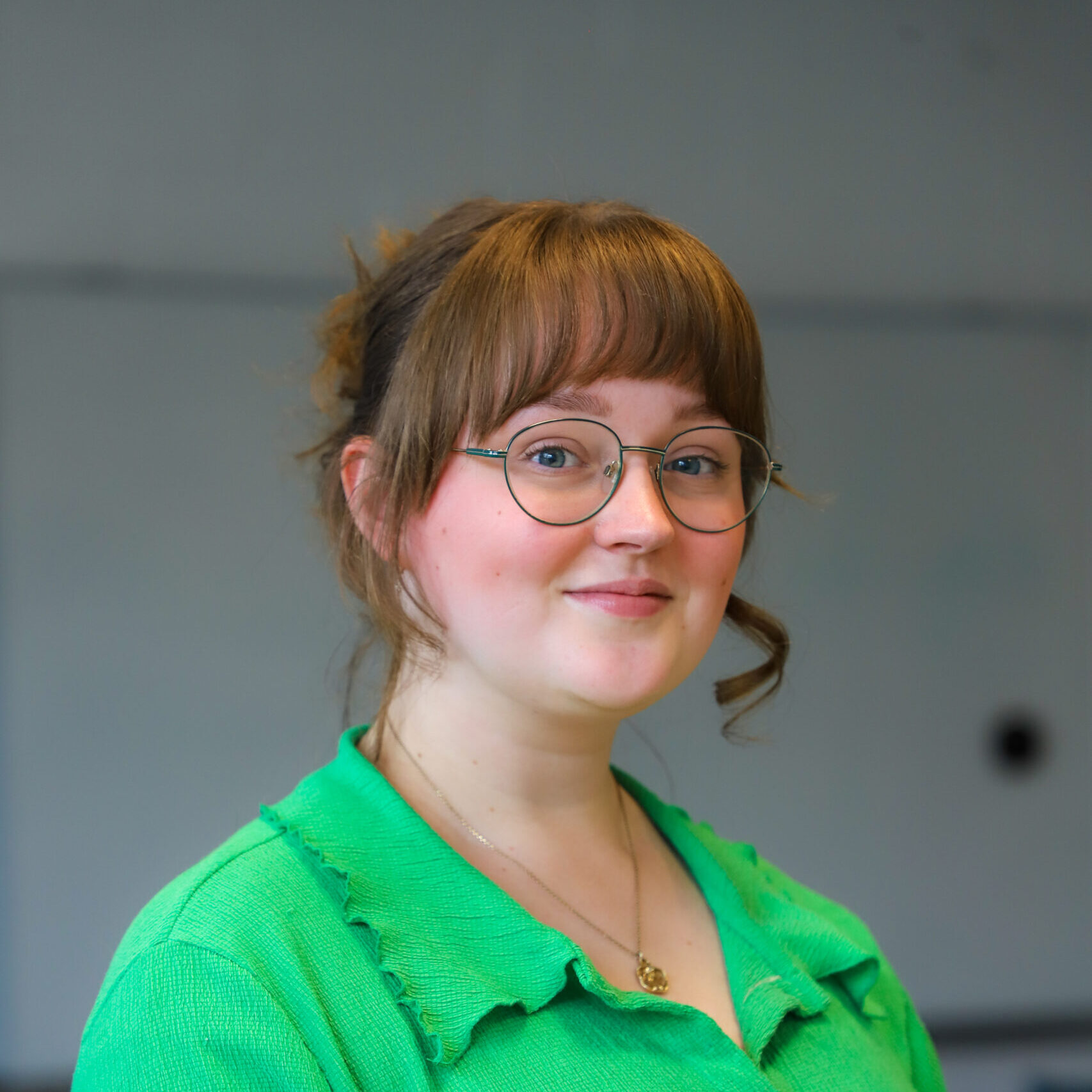
Bethany Spain is a writer and communications specialist working in the third sector, with a focus on community storytelling and social justice.
Alongside her professional work, she volunteers with organisations supporting young people and grassroots activism, and writes about feminism, social mobility, youth voice and wellbeing. She is passionate about building spaces where everyone can feel connected, supported, and heard.
Bethany was on our 2025 30 Under 30 List – find out more about her work.
Read our Young Women’s Movement Response to the Programme for Government 2026-2031!
Do you need help SIFTing through the CRAAP post Scottish Election? Let a local feminist library professional help you!
So, with 30 Under 30 nominations being currently open, it felt like the right time to talk about what recognition actually does for young women. Not in abstract terms, but in real ones.
In this article, Young Women Remember researcher Katie Fielding explains what Oral History is, and how it has shaped the Young Women Remember digital archive.