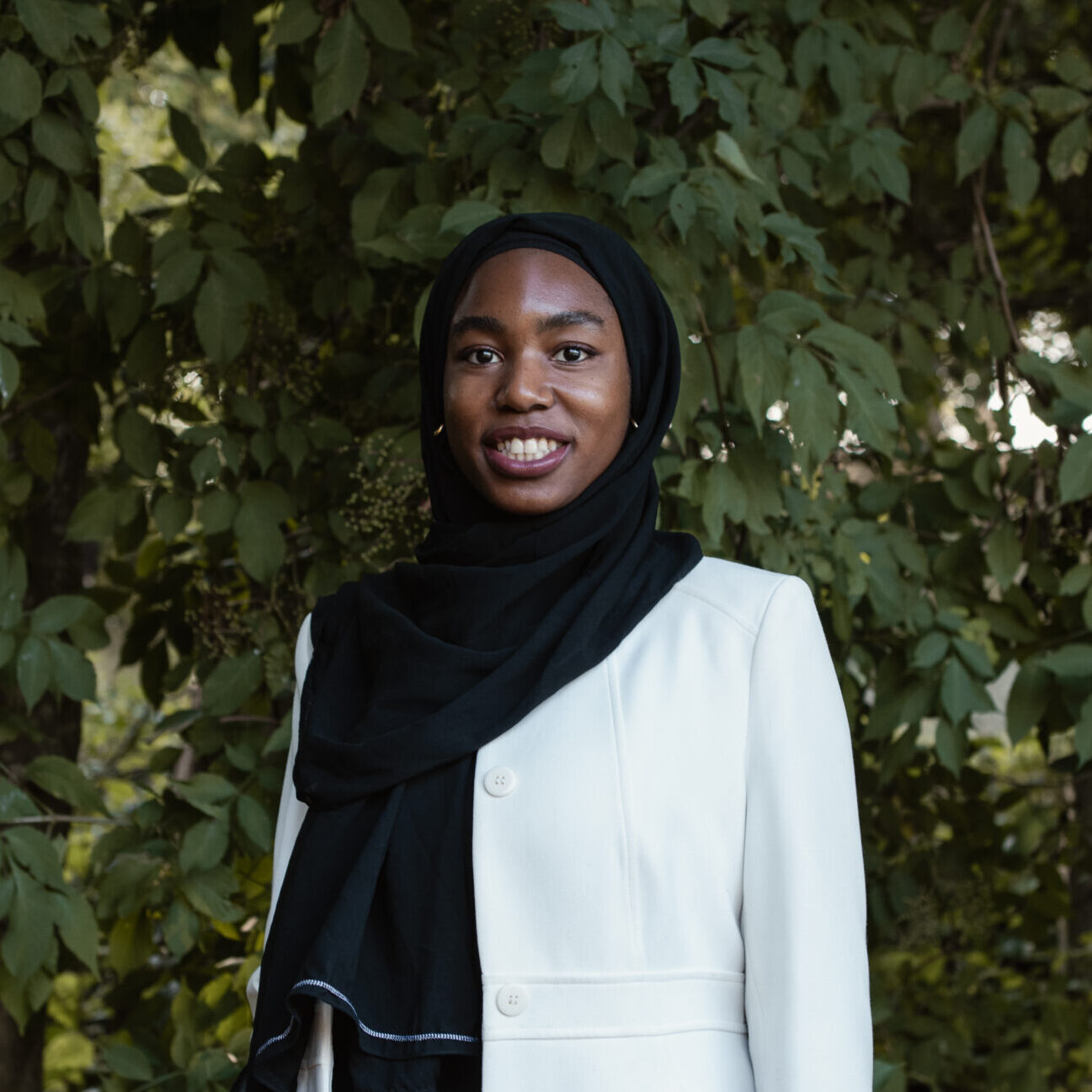
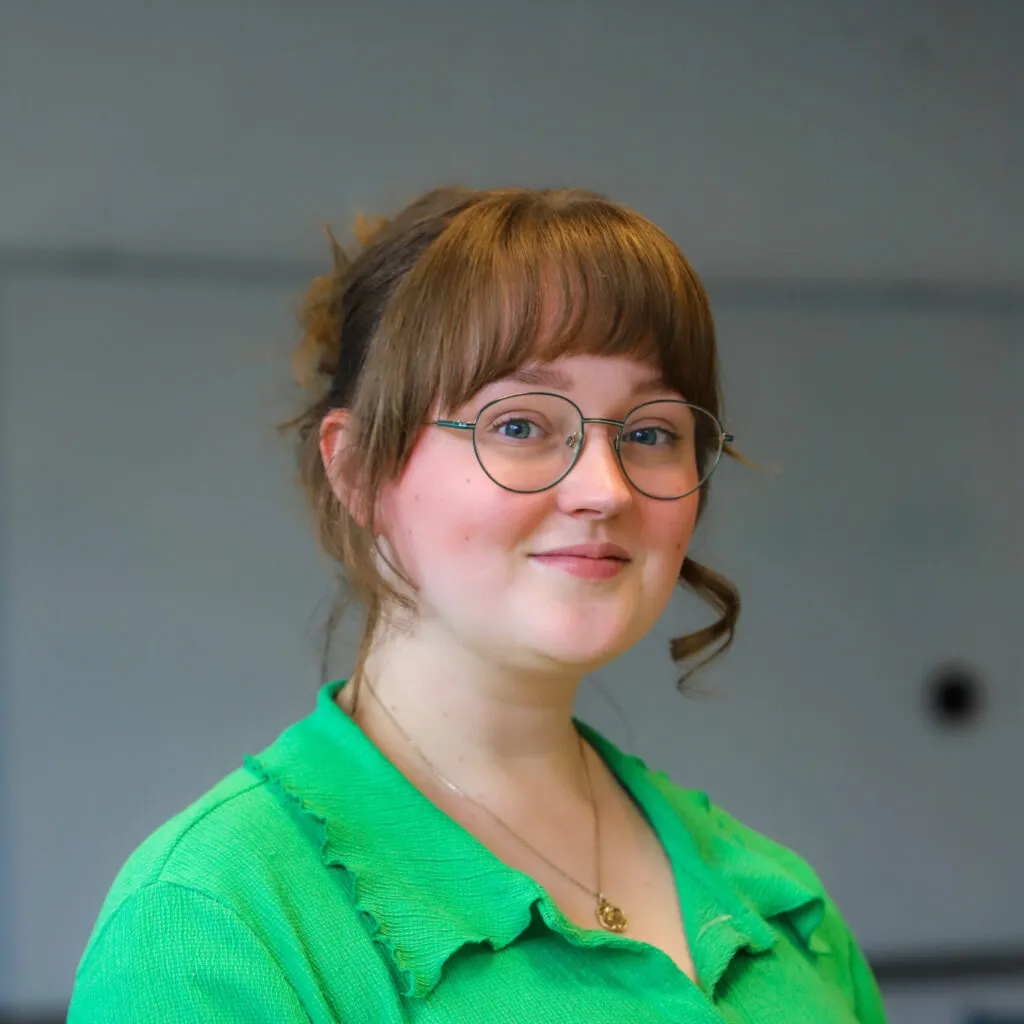
Muminah Koleoso shares her experiences representing The Young Women’s Movement in Hungary and Brussels last summer.
In 2025, I had the opportunity to participate in two European youth summits via The Young Women’s Movement (YWM). These events brought together young women advocates and activists from across Europe, passionate about women’s rights, gender equality, and peacebuilding.
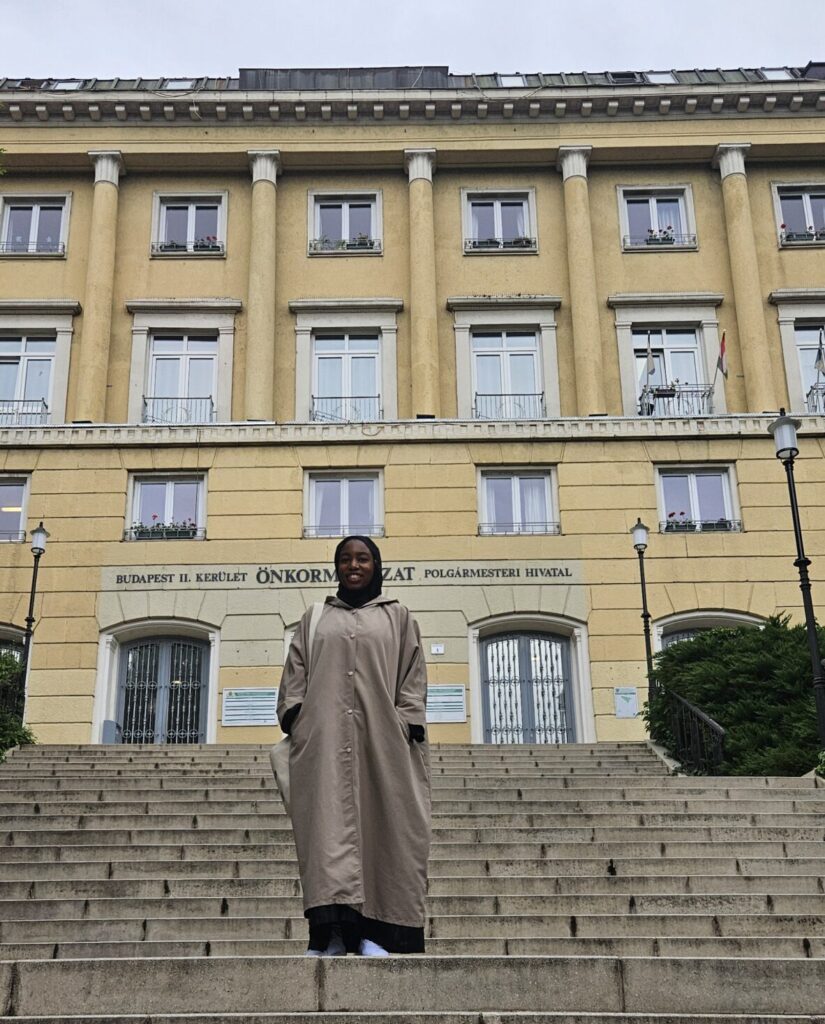
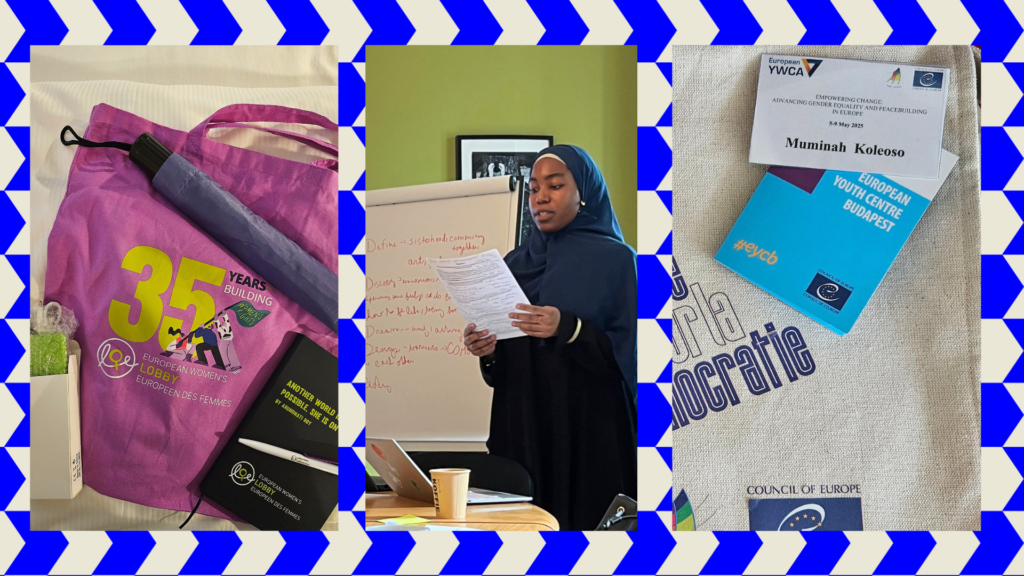
In May, I attended the European YWCA Study Session in Budapest, Hungary, on empowering change, gender equality, and peacebuilding. Then, in September, I was off to Brussels, Belgium, for the 10th annual AGORA Summer Camp hosted by the European Women’s Lobby (EWL).
European YWCA Study Session
Each day began with a spotlight on pioneering Hungarian women across various fields. We also contributed to a collective vision board and resource wall, recommending relevant books, documentaries, and podcasts. We stayed at the European Youth Centre in Budapest and completed a series of activities to develop our understanding of gender equality & peacebuilding initiatives.
We discussed the issue of gender-based violence (GBV) and discrimination, noting common issues across our varying cultural contexts, such as the gender pay gap, workplace discrimination, and domestic abuse. We had a session on the universality, indivisibility, and interdependence of human rights and the importance of upholding them to maintain peaceful societies. YWM Advisory collective member Áine Beattie also shared actionable advice for youth advocates, based on her experience of activism and peacebuilding.
On our visit to the Embassy of the Kingdom of the Netherlands, we learnt about diplomacy and an embassy’s role in influencing policy and facilitating cultural exchange. We were introduced to the concept of Transformative Feminist Leadership (TFL), which helped us unpack our own leadership journeys, strengths and values. A session on racism and discrimination broadened our understanding of terms like anti-racism, minority stress and ethnic profiling. We also created short films on topics like AI, fake news, and online harassment.
As we explored Budapest on a walking tour, we got to know about prominent Hungarian women from history and contemporary activists. And on our last day, we learnt about the history and systemic challenges faced by Roma communities in Europe, a topic many of us were less familiar with.
Learning about marginalisation through research and lived experience was eye-opening. It challenged my assumptions and improved my understanding of issues women from diverse backgrounds face across Europe. It was inspiring to see the work being done to advance gender equality and peacebuilding across Europe, highlighting that we often face the same challenges in different contexts, which can be disheartening at times. However, these shared experiences fostered a sense of solidarity amongst us and emphasised the importance of collective action and collaboration in advocacy spaces.
AGORA Summer Camp Day 1 & 2
We attended a series of lectures and workshops at the Amazone (an organisation focused on gender equality based in Brussels), focusing on this year’s theme; Violence Against Women & Girls (VAWG). Each day, a couple of participants volunteered to be ‘daily journalists’, taking notes and creating short video summaries of our activities. Each morning began with a reflective exercise and a debrief from our daily journalists, who shared what we’d accomplished the previous day.
On Day 2, I gained insight into European gender policy, as EWL members explained how non-governmental women’s rights organisations work through lobbying, gender mainstreaming, and policy papers. They also discussed the distinct roles of the European Commission, Parliament, and Council.
Furthermore, we learned about the origins of AGORA — a Greek word meaning “open space for gathering”. The programme was built on this concept and has brought together ~500 participants over the last decade. We explored the dangers of online GBV and its impact on democracy, while the European Migrant Women Network shed light on the challenges faced by marginalised migrant, refugee, and asylum-seeking women. To round off our day, we took part in a fun and informative self-defence class led by an AGORA participant.
AGORA Summer Camp Days 3 & 4
On day three, we delved into EU gender equality efforts with the Directorate-General for Justice, learning how legislation, funding, and awareness-raising fit into the Equality Strategy. We also heard from the European Institute for Gender Equality (EIGE) about their work supporting gender equality in Europe. A highlight of the trip was visiting the RoSa Library, which stocks non-fiction books on gender and feminism, and learning about its mission to promote gender awareness in Flanders to help eliminate gender inequality. We then had free time to explore the city before regrouping at a nearby multinational food court.
Day four was my favourite, as we participated in workshops led by fellow participants. In the morning, I attended a session exploring the impact of deepfakes, AI abuse, and current European policy’s inability to keep pace with rapidly changing digital technologies. I also attended workshops on identifying toxic behaviour in relationships and self-advocacy in the workplace. In the afternoon, I participated in a workshop exploring GBV issues in West African and Eastern European contexts.
AGORA offered opportunities for knowledge and skill-sharing between participants, creating a supportive environment that encouraged me to step outside my comfort zone and co-host a workshop of my own on using storytelling and creativity as tools for activism and healing! This helped me develop skills in presentation, public speaking, and facilitation.
Reflecting on my experience
By the end of the programmes, I’d learnt a lot, made lasting international connections, and enjoyed meeting incredible women from across Europe. It was a truly unforgettable experience, and I wished they could have lasted longer.
From the EYWCA Study Session and AGORA Summer Camp, I had three key takeaways:
The significance of international collaboration and cross-cultural learning.
The impact of everyday peacebuilding at both micro and macro levels.
The importance of engaging men as allies in gender equality and peacebuilding efforts.
I’m grateful for the opportunities I’ve accessed through YWM, and hope to stay connected with fellow attendees through online forums and social media. These experiences were culturally enriching and highlighted the importance of intercultural discourse in advocacy and activism.
I look forward to more global opportunities for learning and knowledge exchange in future!
Muminah is an exceptional young leader whose influence in Scotland’s creative and civic spaces continues to grow.
She brings a much-needed voice to Scottish public life, rooted in creativity, community, and commitment to social justice and inclusion. In 2025, she was on our 30 Under 30 List.
This International Women’s Day is poised on the precipice of what could be major political change in Scotland.
Despite the advancements in gender equality of the last century or so, this is a challenging time to be a young woman.