In this article, Young Women Demand steering group member Laura explains how young women can make the most of hustings.
- Young Women Demand
- Article
Estimated reading time: 4 minutes
In rural communities sexual violence is often surrounded by silence. There’s a belief that “things like that don’t happen here“ and that it’s more of a central belt issue. But that silence causes harm. When stories of sexual violence are treated as gossip instead of taken seriously, it minimises the trauma of the survivor and causes lasting harm and isolation.
There are strong loyalties to families and reputations within the community, and this can have a strong impact in rural communities. We hear: “they’re from a good family, they wouldn’t do something like that“ or “they don’t mean it, they’re just like that when they’re drunk“. This attitude protects perpetrators rather than victims. It allows sexual violence to be quietly brushed under the carpet.
After the lengthy court process, when a case eventually does make it to court, the “not proven” verdict can add even more harm. People take it as proof that the accusation was false, and survivors are left to face blame, judgement, and all the talk that follows. There is so little awareness of what the “not proven” verdict actually means.
What makes this issue even more complex is how harmful behaviour is being instilled from a young age and quickly normalised. The outdated idea of “boys will be boys” leaves people believing that feeling uncomfortable or being disrespected are just things they have to accept. When consent isn’t taught properly, many people don’t even realise they’ve experienced sexual violence – just that something felt wrong. Education should empower people to be informed and unafraid to speak out.
I grew up hearing awful stories of sexual violence in my rural community; passed around like entertainment. I wanted to change the narrative. I wanted the conversation to shift toward empathy and understanding for the survivors. That these stories are real and serious, not to be taken as gossip or rumours.
This is why I created the Instagram account Tak a Stand. I wanted to challenge the attitude that “these things don’t happen here“, I wanted to shed a light on the normalisation of sexual violence in the Orkney Islands and that these things are not okay and shouldn’t be brushed under the carpet. I chose a format that was accessible, a platform where anyone could anonymously share their experiences in Orkney safely, opening up the discussion in Orkney and creating a safe space for survivors to have their stories heard.
Before launching the account, I began by reaching out to local organisations (particularly Orkney Rape and Sexual Assault Services) to gain insight into their understanding of sexual violence in rural communities and to make sure that what I was doing aligned with survivors’ needs.
Having their support gave me confidence to make such a big wave in the tiny ocean of my community. Putting myself out there was intimidating, and I worried about what people would think. In the end, the response wasn’t the backlash I expected, it was a sense of relief. It was people agreeing with me, that this needs to be talked about and not normalised. This agreement gave me the confidence to push further and create a physical installation in the town.
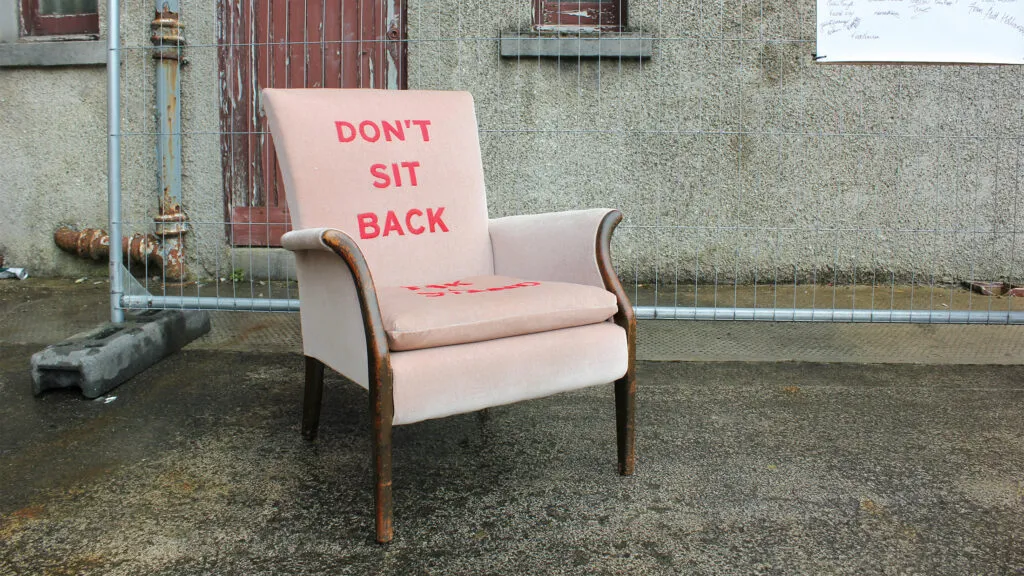
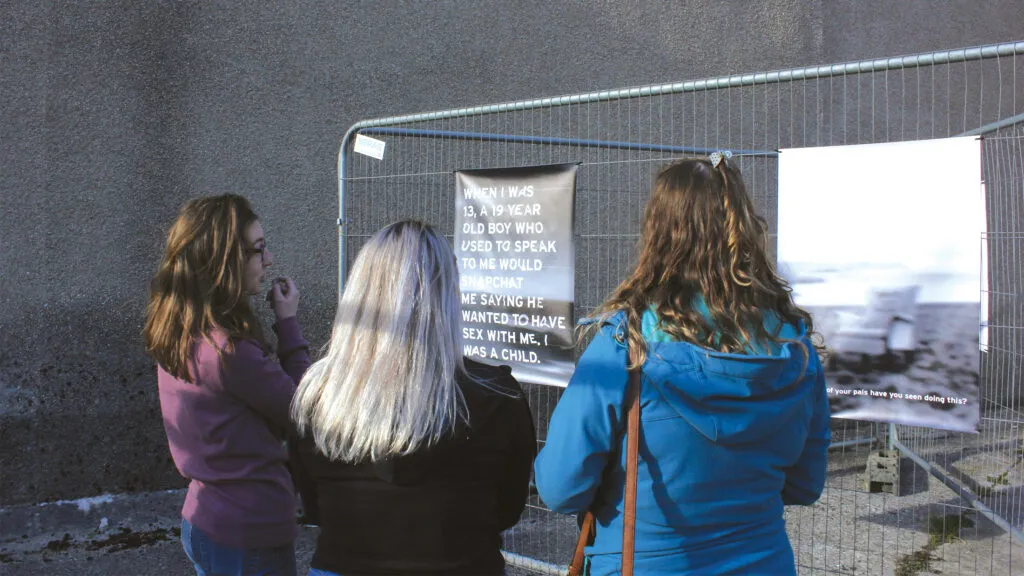
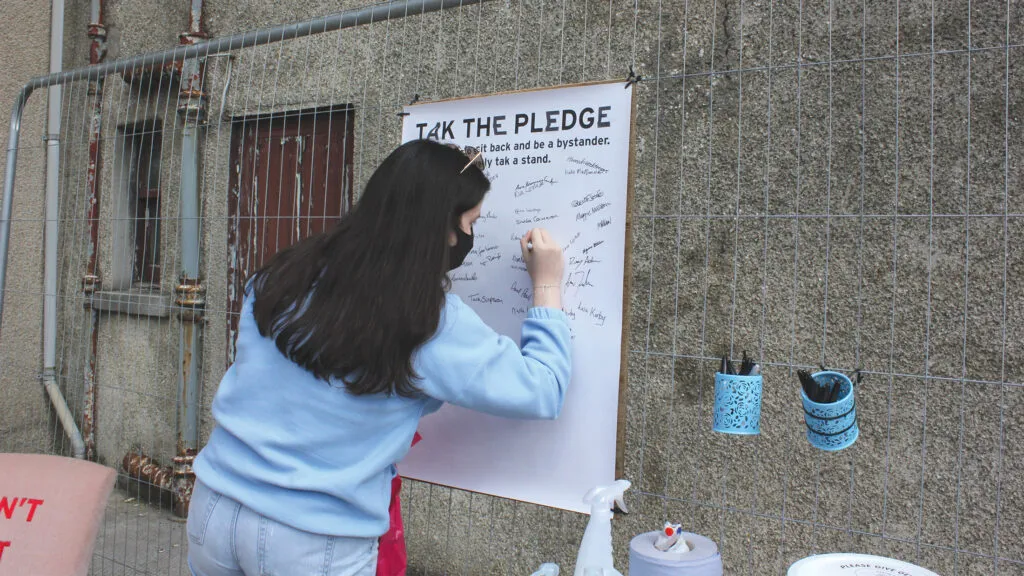
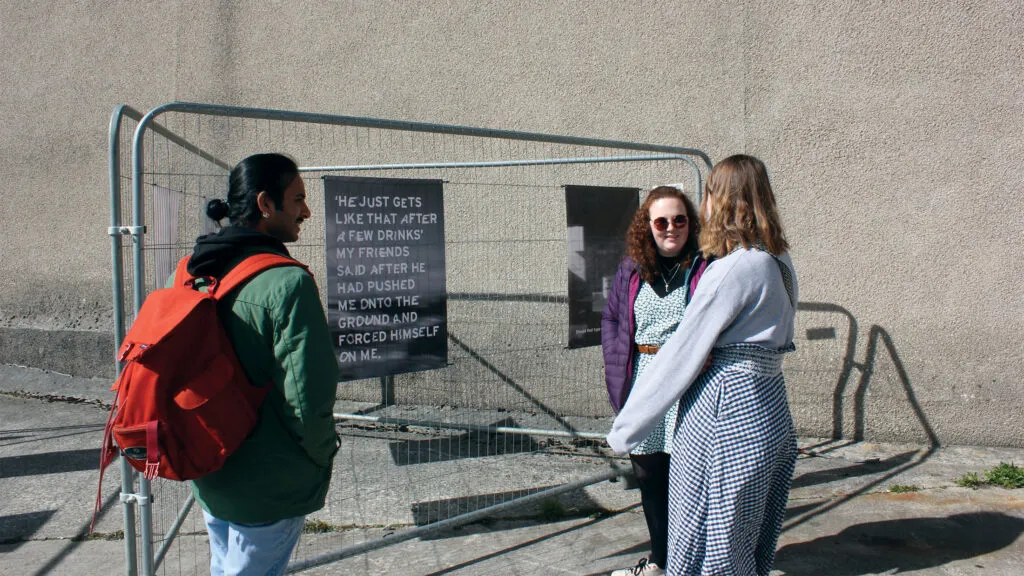
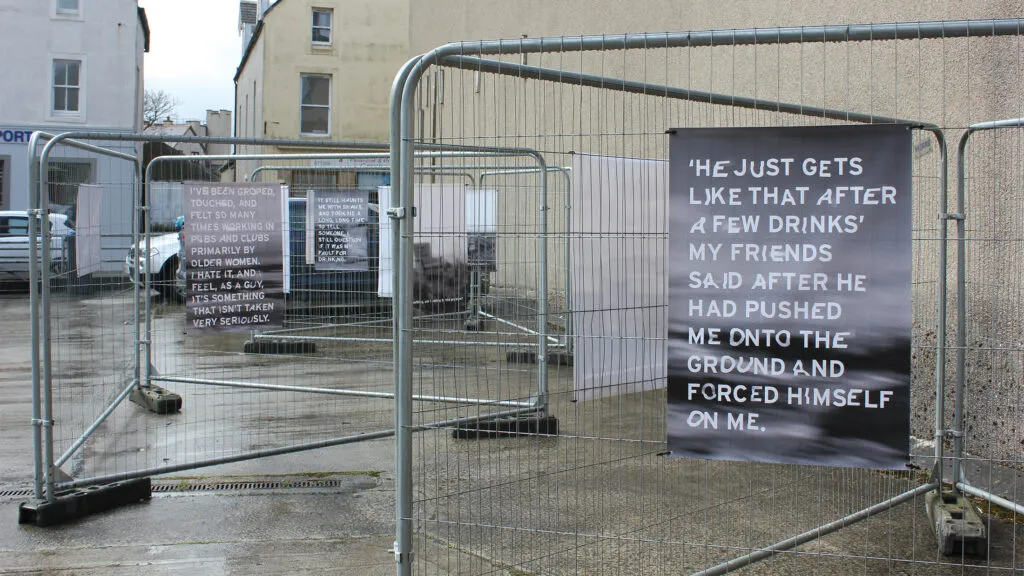
You just have to care enough to start. If there’s something in your own community that you don’t agree with or doesn’t sit right with you, you’re allowed to challenge it. You might feel scared or unsure, but I told myself that even if only one person felt seen or supported because of what I did, then it would be worth it.
Some tips for starting out:
Change starts with the courage to speak out.


Chloe founded Tak A Stand in 2020 as part of a university project. Since then, the account has amassed over 300 submissions and has led to an increase in reporting of sexual violence in Orkney.
We celebrated Chloe’s work as part of this year’s 30 Under 30 Campaign. Read more about Chloe’s achievements.
In this article, Young Women Demand steering group member Laura explains how young women can make the most of hustings.
In this article, Holly Southwick analyses the “girlboss” label for what it is: a tool to make women feel that the system’s not the problem, they are.
This International Women’s Day is poised on the precipice of what could be major political change in Scotland. Despite the advancements in gender equality of the last century or so, this is a challenging time to be a young woman.
On Saturday 14th February, we gathered for our Gender and AI conference… not a single man was present.