Girlhood in a Digital Age
Girlhood in a Digital Age
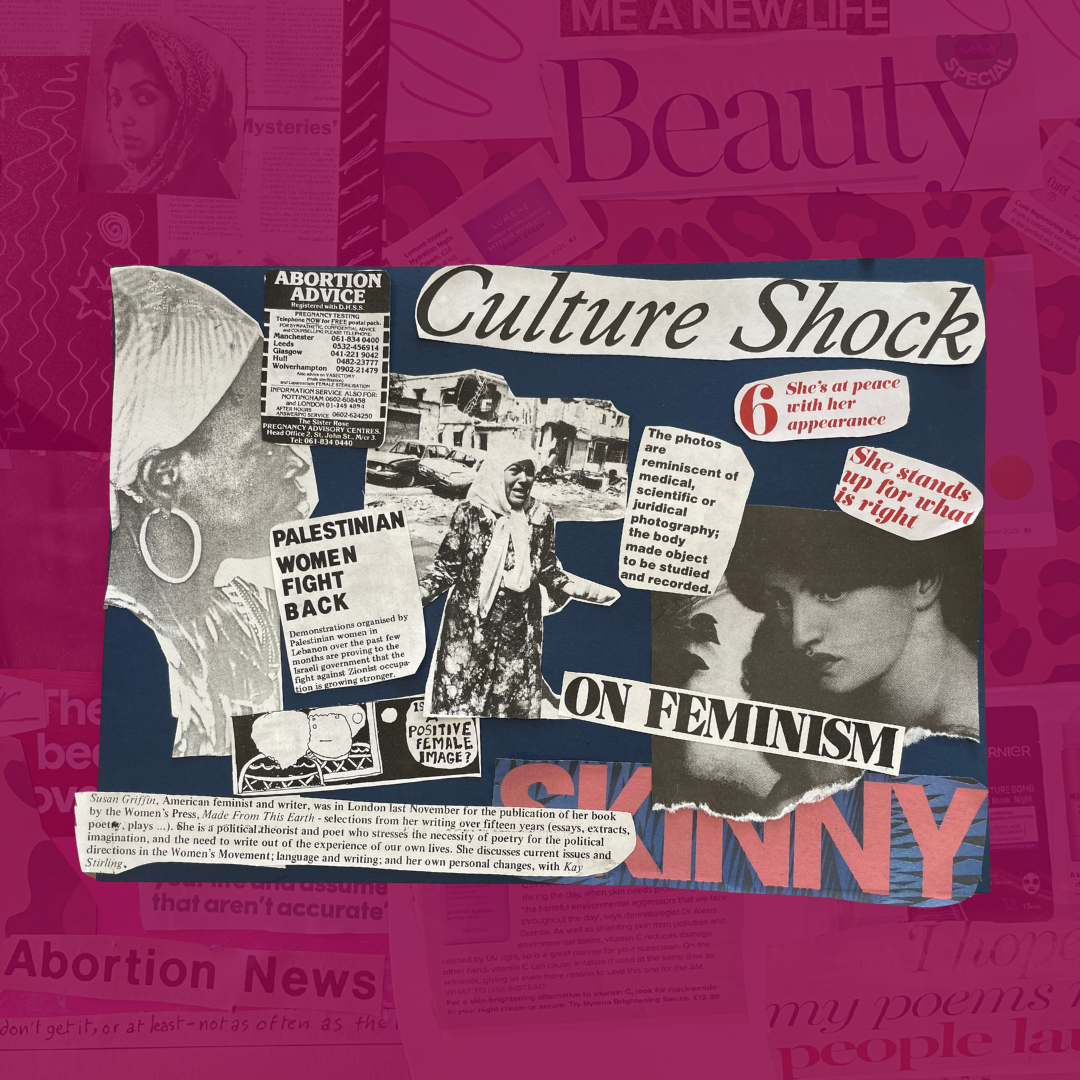
The Girlhood in a Digital Age social media literacy project aims to educate and empower young women aged 13-17 to use social media mindfully, engage young people in conversations around improving their digital literacy, and to offer tools for approaching gender-based discrimination in an age of social media. We have developed informative, creative and interactive workshops that can be delivered across educational and community settings, such as schools, community centres and youth groups, that educate young women about marketing on social media and encourage them to make informed, conscious choices online.
Why is social media literacy important?
It takes just a few minutes of scrolling for adolescents aged 14-17 to encounter a wide range of marketing content, including promotions for alcohol and gambling[1]. By the time they reach 14, around one-third of girls feel dissatisfied with their looks because of what they see and experience on social media[2]. Young women are disproportionately impacted by deepfake, including intimate image abuse, and are overly targeted by algorithms promoting and profiting from negative body image and low self-esteem[3]. The most recent Ofcom 2025[4] report shows that young women remain at more risk of harmful interactions online than their male peers.
There are ongoing debates about banning young people from social media as a method of preventing this impact on wellbeing. We believe that the most effective way of ensuring girls safety online is not social media restrictions or the prohibition of digital devices for young people, but rather to improve digital agency by educating and empowering young people to be mindful and critical social media users.
References
[1] Crenna-Jennings, W. (2021, January 21). Young People’s Mental and Emotional Health: Trajectories and Drivers in Childhood and Adolescence. Education Policy Institute. https://epi.org.uk/wp-content/uploads/2021/01/EPI-PT_Young-people%E2%80%99s-wellbeing_Jan2021.pdf
[2] ackholder, K. (2024, June 4). #Digital Youth – How children and young people are targeted with harmful product marketing online. Deakin University. https://www.drugsandalcohol.ie/41153/1/Digital-Youth-brief-Final-2.pdf
[3]See https://youngwomenscot.org/guide-to-ai/what-is-ai/examples-and-statistics/
What have we done so far?
We piloted our workshop content and materials several groups of students aged 13-17 in schools across Scotland. The workshops piloted as part of this project were designed and facilitated by The Young Women’s Movement’s Research and Participation worker, Lauren Galligan, in collaboration with Dr Kat Rezai at Edinburgh Napier University.
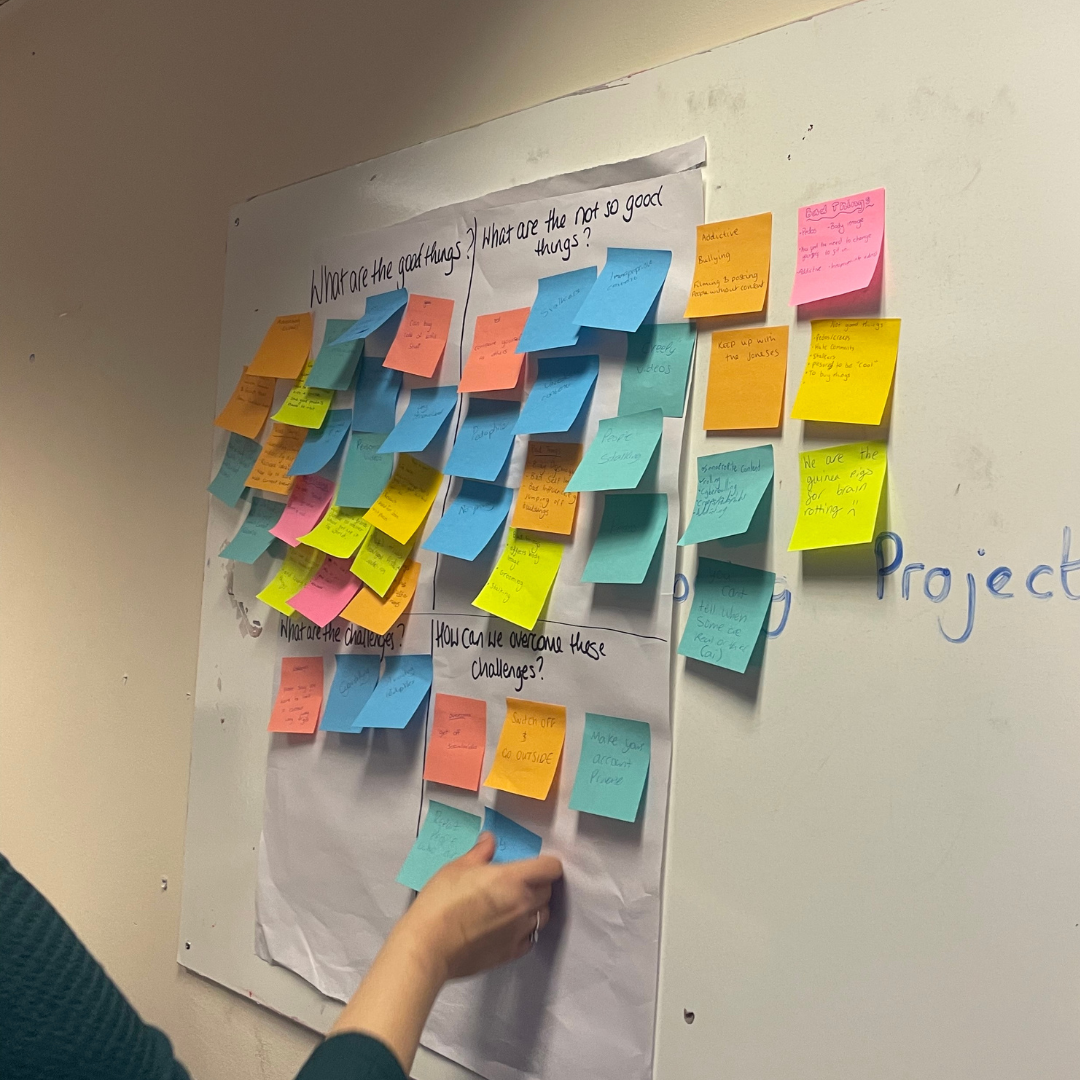
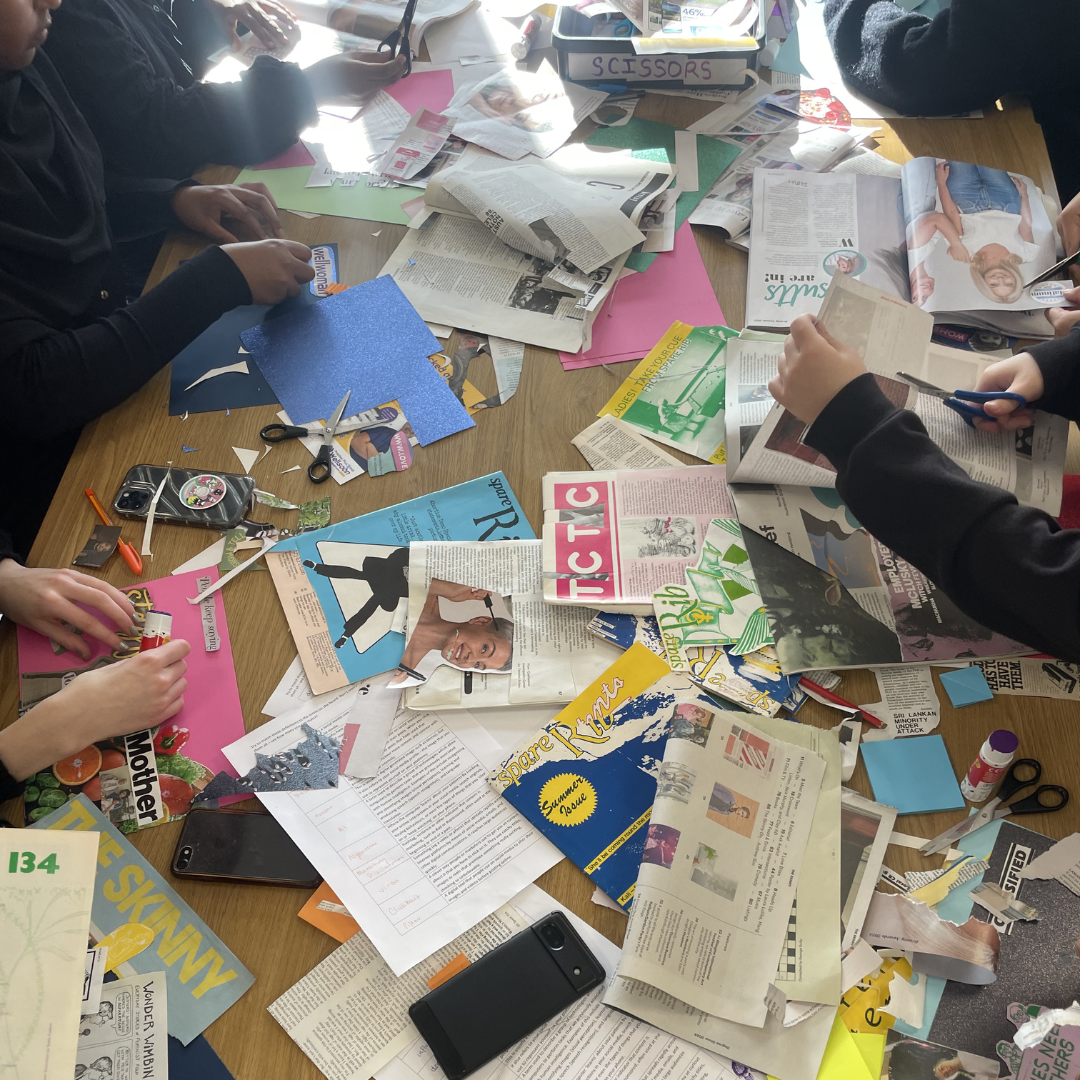
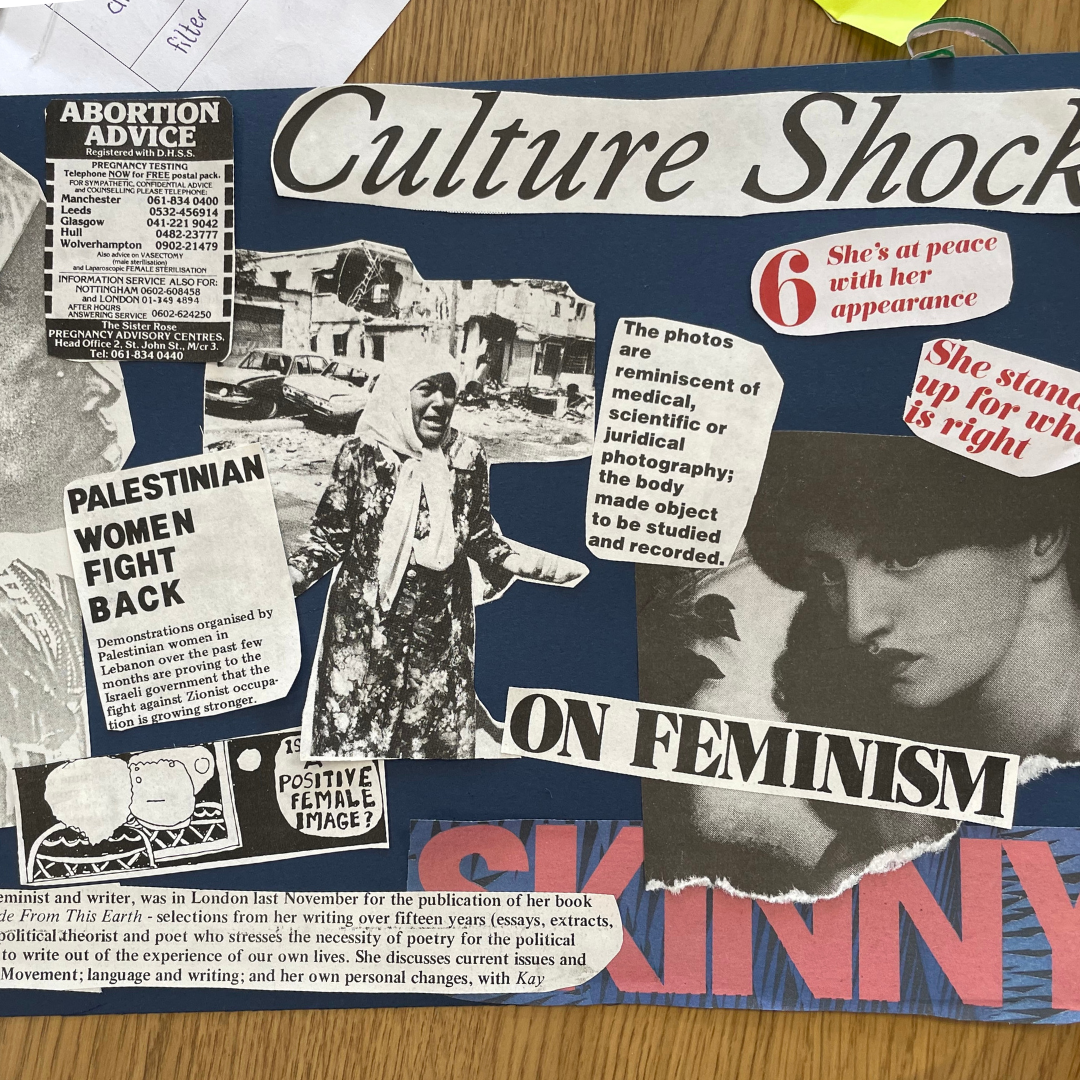
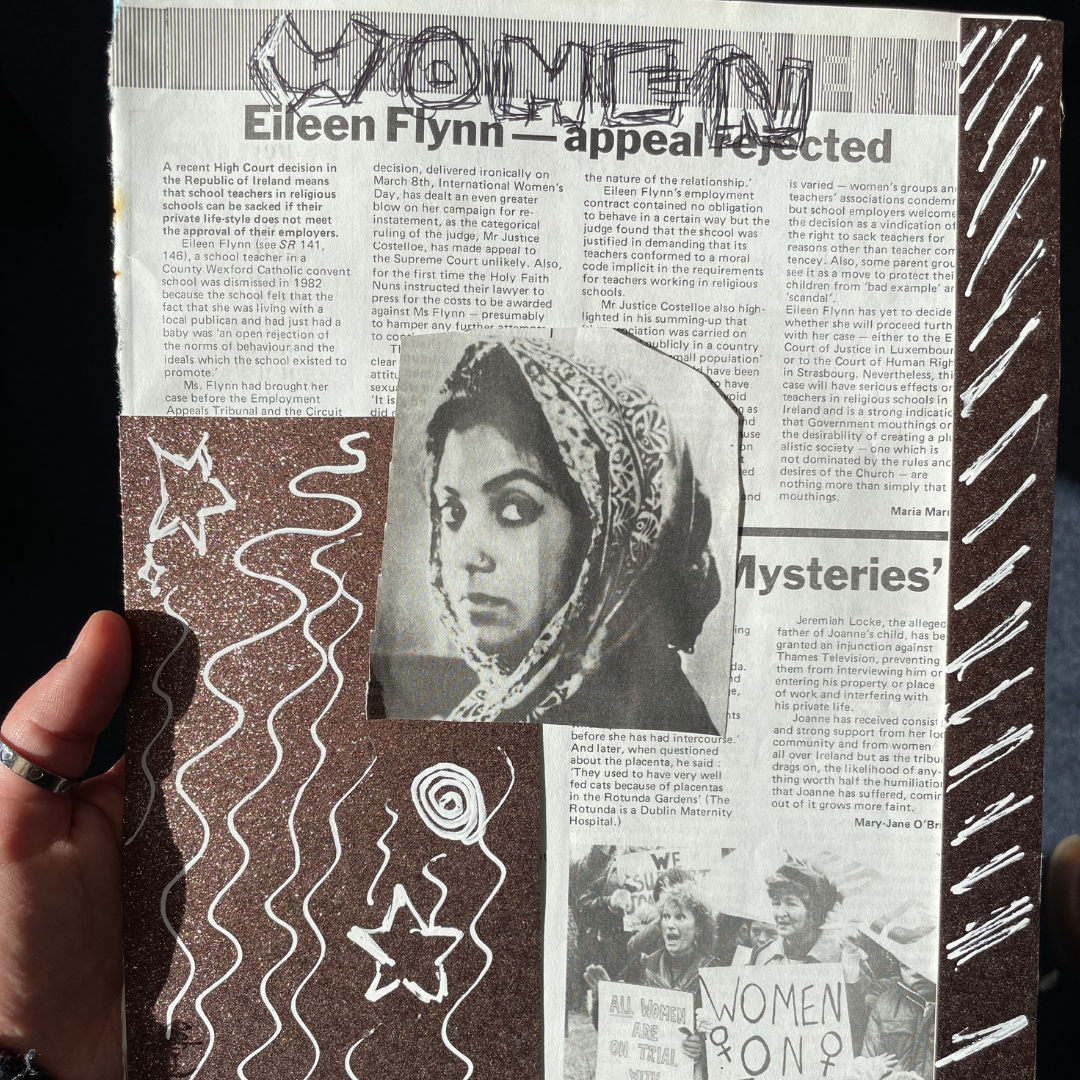
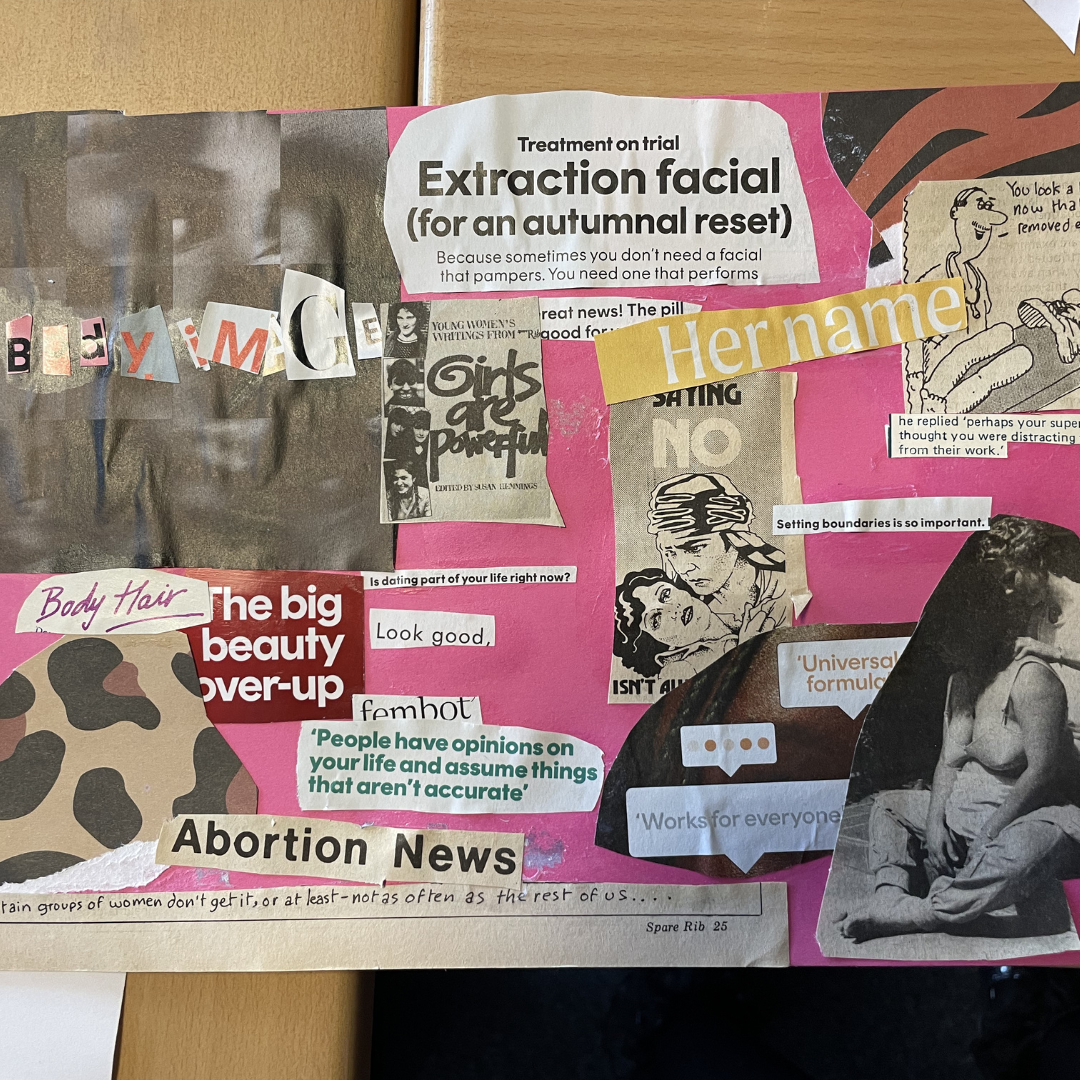
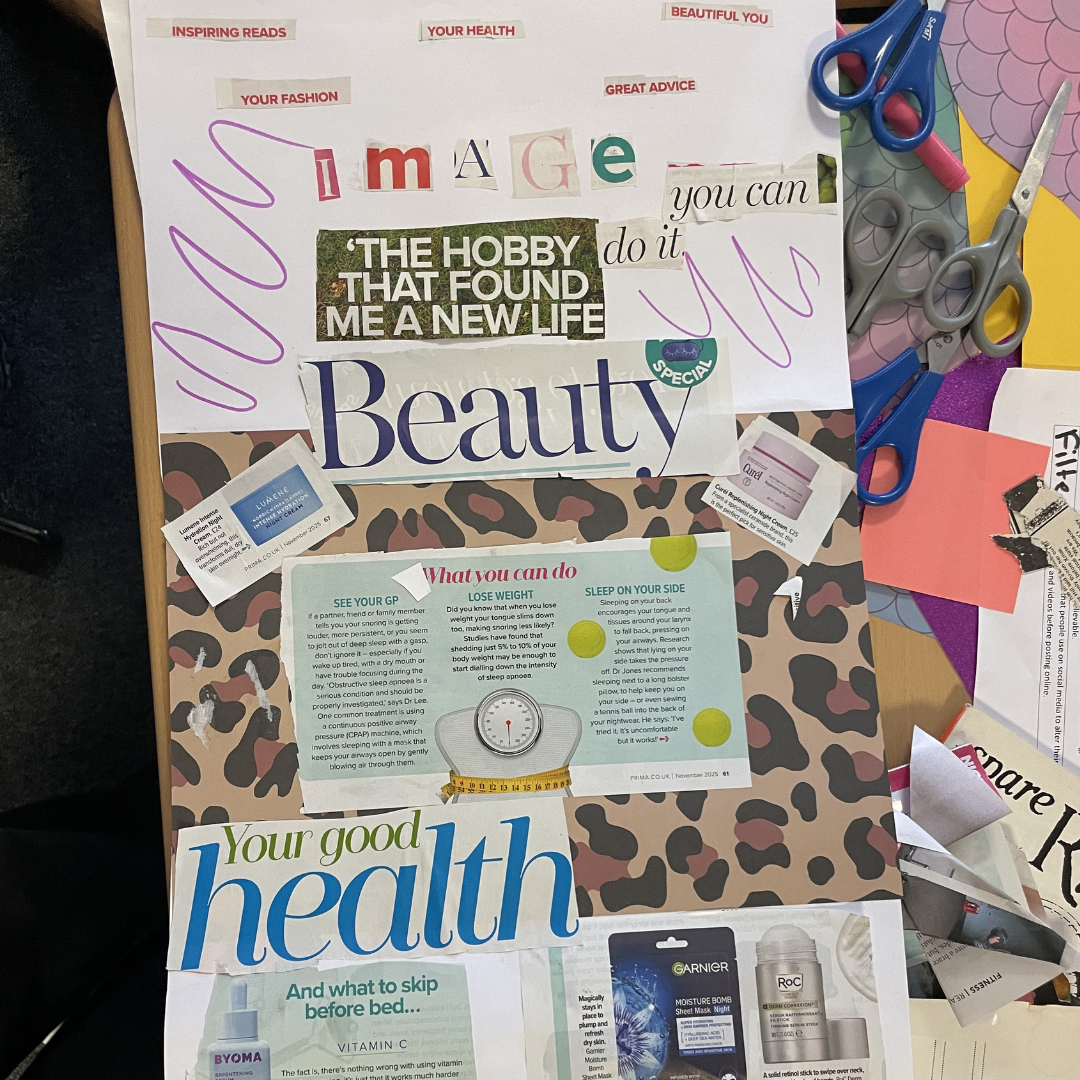
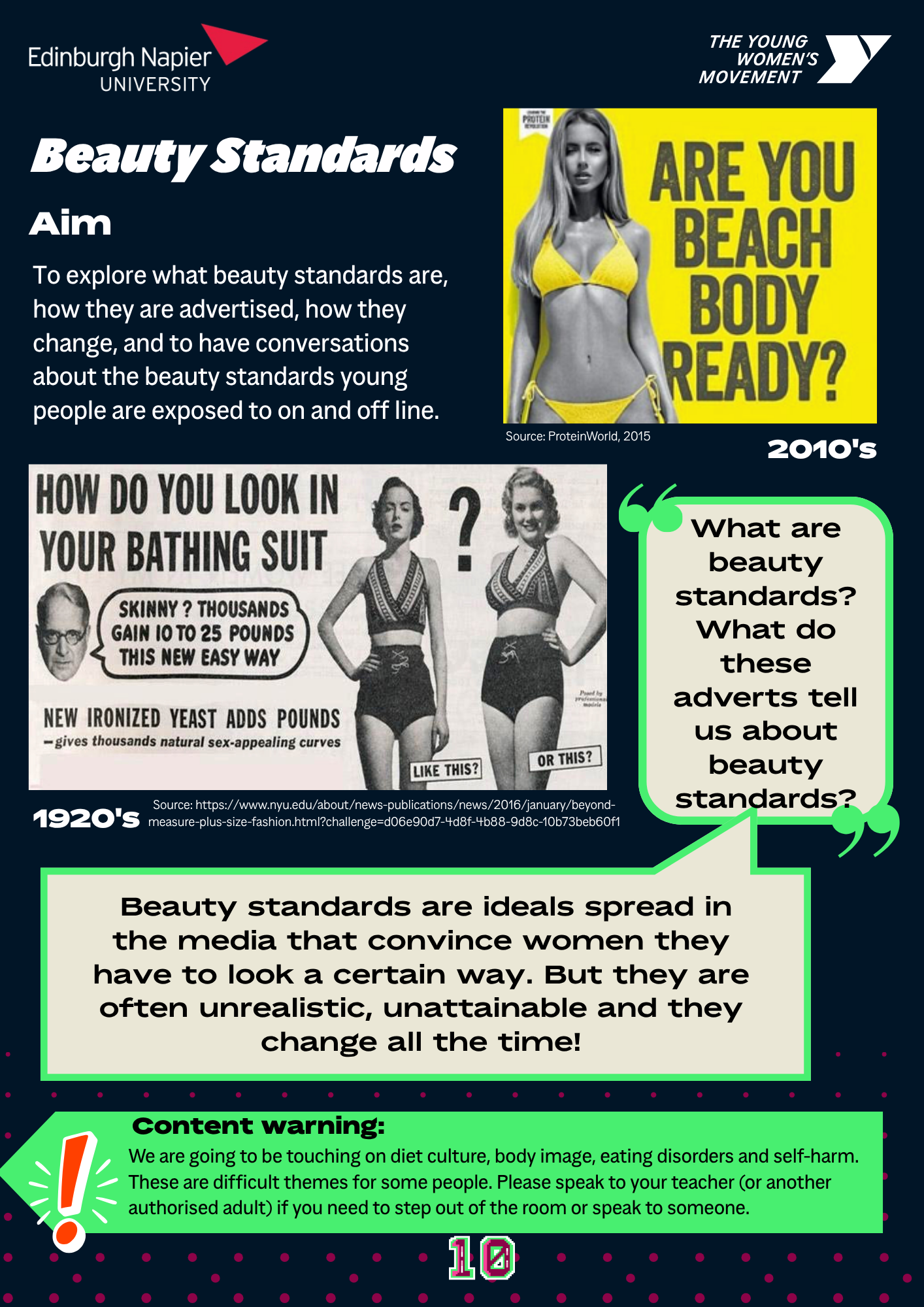
Spread over two hours each, the workshops cover two main topics: Marketing/Advertising on social media, and Beauty standards online. We use a combination of creative exercises such as collaging, activities and group discussions to explore these topics.
These workshops are designed to encourage young people to think about and share the challenges they face on social media and consider how we might overcome them. They also prompt young people to discuss the systemic and cultural factors that underpin online misogyny.
Providing a space to discuss the issues young people are facing online and providing them with the tools to understand their experiences and make changes to their behaviour on social media is paramount to improving their wellbeing.
Feedback
Quotes from participants
‘I enjoyed being able to talk about difficult things and share about body image…it was comforting.’ (paraphrased)
‘I will be more aware of what I see on social media in the future.’
‘I learnt about algorithms, body positivity, deepfake and AI.’
‘Be confident in yourself!’
‘You don’t have to be perfect.’
Photos of collages


A podcast episode by The Young Reporters, a group of young women based at Lanark Universal Connections, reflecting on social media usage and what they learned from the workshop
Girlhood in a Digital Age Toolkit
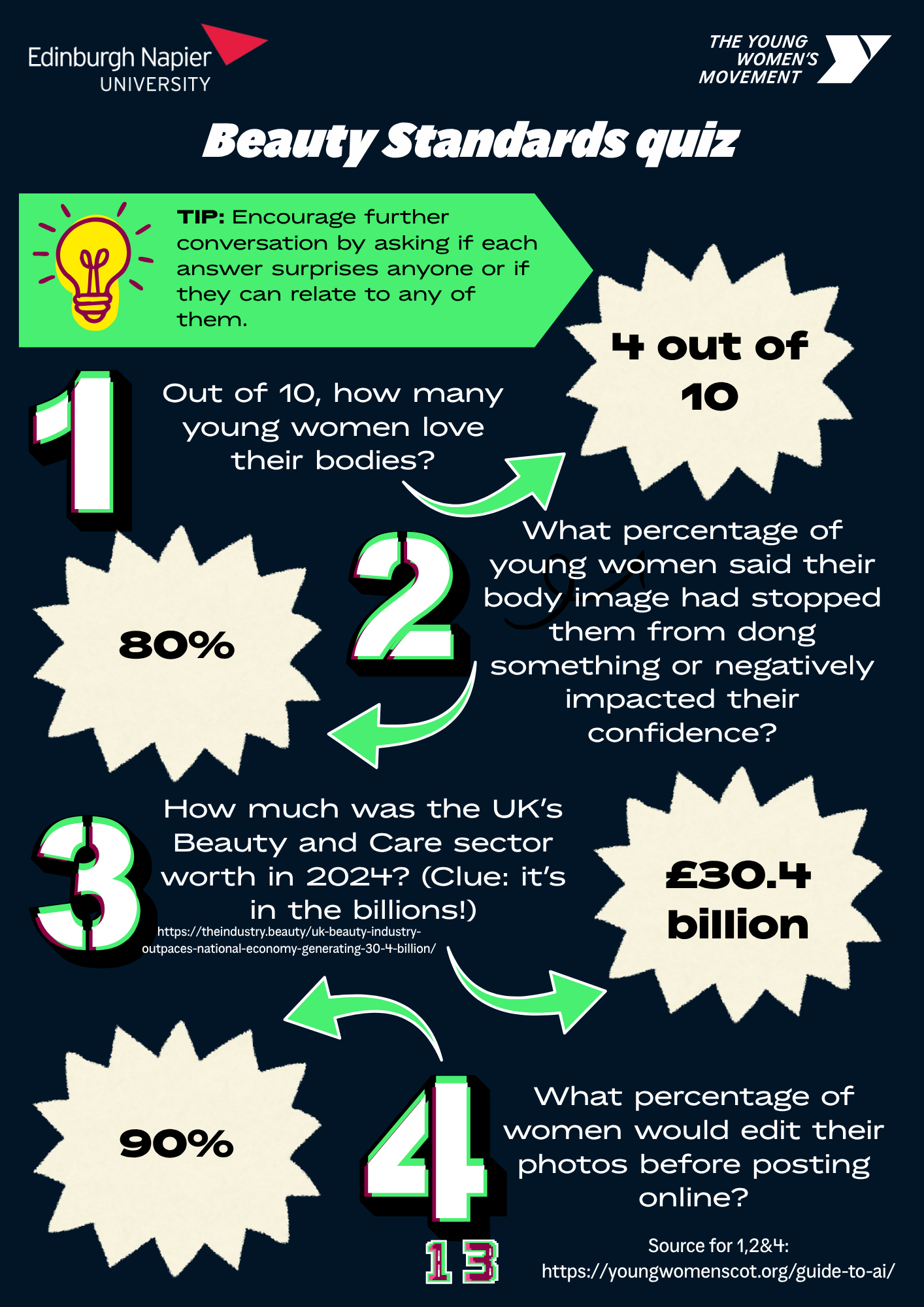
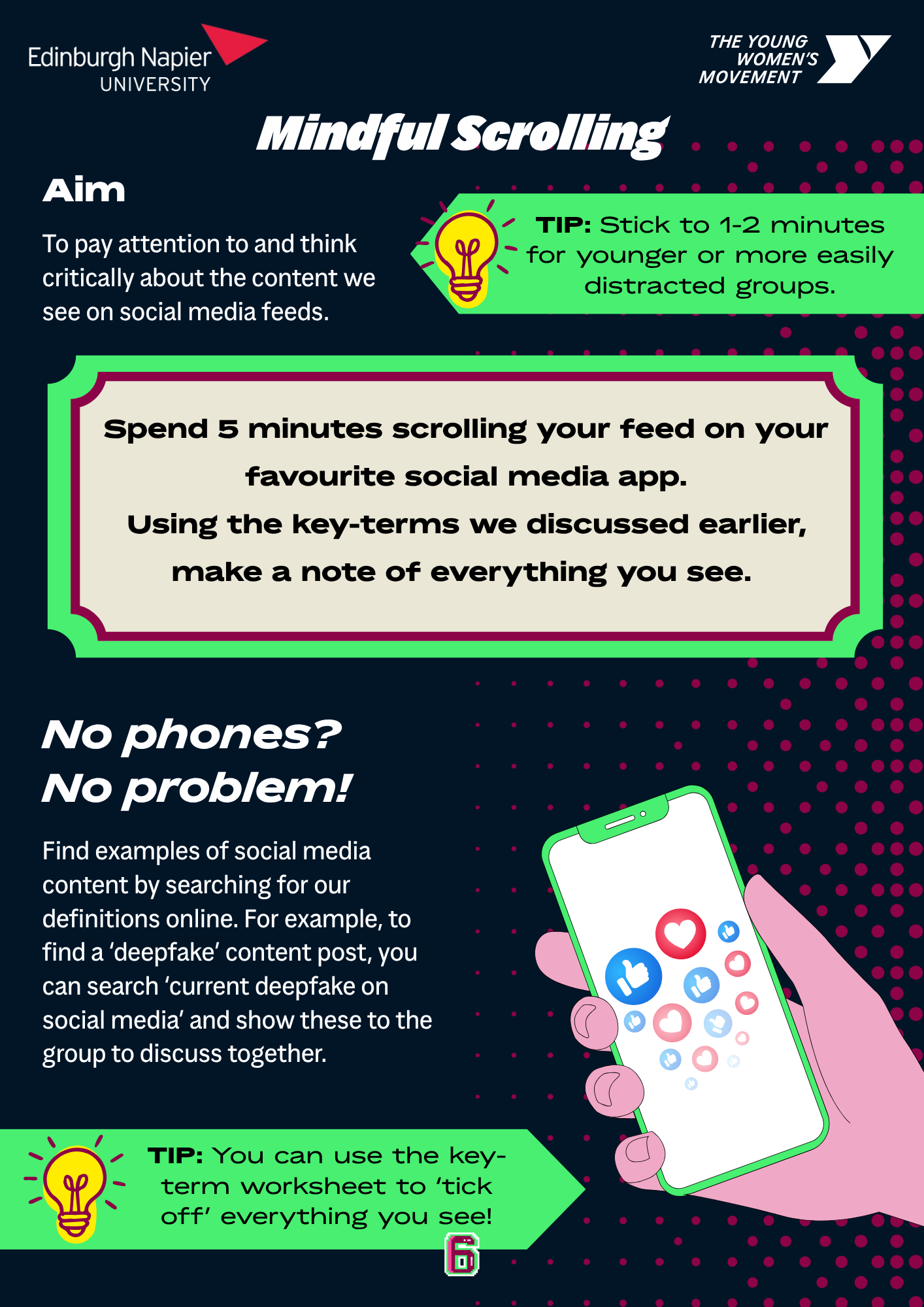
Informed by the feedback from young people, teachers, and youth workers, we have created the Girlhood in a Digital Age Toolkit. This toolkit provides practical resources, activities and the necessary guidance for facilitators to deliver in their own contexts. Take a sneaky peek at some of the activities included in the toolkit.
Informed by feedback from young people, teachers, and youth workers, we’ve created the Girlhood in a Digital Age Toolkit, a practical resource packed with activities and step-by-step guidance so facilitators can bring it to life in their own settings.
Take a sneak peek at some of the activities inside, then download the full toolkit to start using it with young people today.
Getting in touch
For questions about the project, or if you would like to enquire about us delivering these workshops to your group of young women, please contact:
Partners
This project is in partnership with Edinburgh Napier University Marketing Group, from The Business School at ENU. Academic participants in the project are Dr Kat Rezai (Principal investigator), Dr Nathalia Tjandra, Dr Elaine Mercer-Jones, Dr Jamie Thompson, Dr Paul Naughton, and Dr Reika Igarashi.
The workshops themselves were facilitated by Lauren Galligan, Research and Participation Worker at The Young Women’s Movement. They were first delivered to and reviewed by the Digital Youth Work Network at YouthLink Scotland.
The pilot workshops were delivered to young people at the following educational settings:
Bellahouston Academy
Eastbank Academy
Inverclyde Academy
Lanark Universal Connections
Selkirk High School