A young woman’s experience of co-producing resources to improve young women’s healthcare
- Health
- Article


The Young Women’s Movement collaborates with universities and other partners to deliver high-quality research, all co-created with young women and girls.
We bring to these projects our expertise in research co-creation, peer-research and participatory methodologies, and community engagement. Our vast experience engaging with young women across Scotland in diverse community and educational settings makes us ideal collaborators for projects that aim to centre young women’s experiences and deliver real world impact. In our previous research projects, we have explored topics such as young women’s access to healthcare, digital literacy, and young women’s rights. Most importantly, our research drives real change: every project is designed to influence policy and raise awareness, directly improving the lives of young women across Scotland.
The Girlhood in a Digital Age research project aims to educate and empower young women aged 13-17 to use social media mindfully, engage young people in conversations around improving their digital agency, and to offer tools for approaching gender-based discrimination in an age of social media.
We have developed informative, creative and interactive workshops that can be delivered across educational and community settings, such as schools, community centres and youth groups that educate young women about marketing on social media and encourage them to make informed, conscious choices online.
The Young Women’s Movement played a pivotal role in this research, working alongside the research team at Edinburgh Napier University to find effective, participatory ways of engaging and gathering data from young women. This involved:
‘I enjoyed being able to talk about difficult things and share about body image…it was comforting.’
‘I will be more aware of what I see on social media in the future.’
Together with young women and healthcare professionals we co-produced an animation and training workshop to improve healthcare experiences for young women. The project team included researchers from the University of Bristol, the Women’s Health Plan Scotland Team at the Scottish Government, The Young Women’s Movement and the Association for Young People’s Health.
The Young Women’s Movement played a pivotal role in this research, contributing our specialist expertise in participatory and young women-led methodologies. As active members of the project steering group, we:
Our understanding of young women’s lived realities and our established community connections were essential to creating genuinely youth-centred outputs and ensure the research remained grounded in young women’s experiences to drive meaningful change in clinical practice.
Our research found that many young women felt their health concerns were dismissed or not believed by healthcare professionals. Stereotypes of young women as naïve, overdramatic, hormonal, irrational and stupid were regularly experienced, leading them to feel patronised, not listened to and not taken seriously. The project enabled young women to discuss the key things that were important for a positive healthcare experience.
Young women want healthcare professionals to:
‘Being part of this project has made me feel hopeful. Hopeful that other young women will feel confident in healthcare settings and that professionals recognise how to better support us. It’s reminded me that change doesn’t have to start from the top down, it can start with a group of women sharing their stories. and realising that they deserve better’.
Research summary
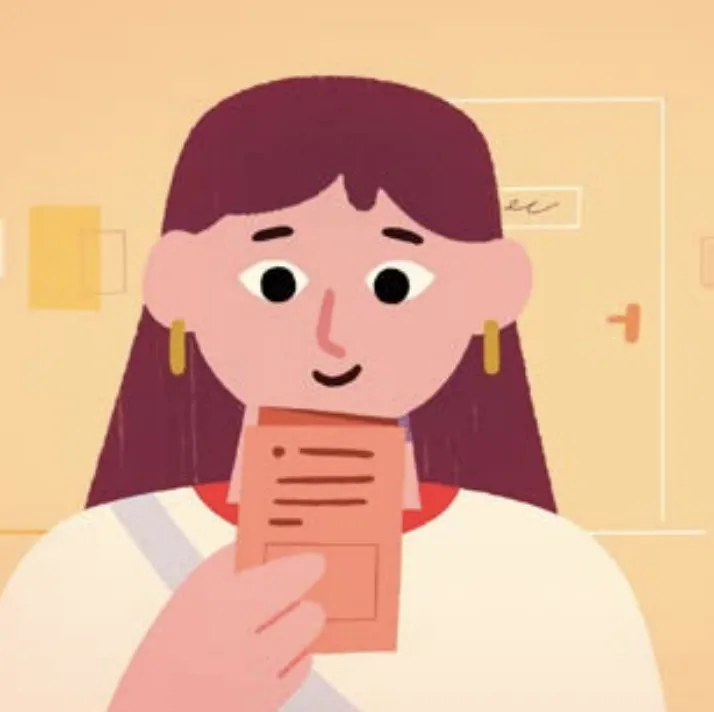
Animation
A young woman’s experience of co-producing resources to improve young women’s healthcare
Article written by a young woman who took part in the project
In addition to the above, a blueprint for a training session to support healthcare professionals to provide young women with the quality of care they deserve was also created.
The project team visited three sites across the UK (London, Bradford and Glasgow) to talk about what impacts mental health and causes inequalities for young people. We ran workshops with creative activities and open discussion. We talked about intersectionality and how different parts of our identity and backgrounds can overlap and shape our experiences with mental health. The findings were collated into a final report and additional research papers.
The Young Women’s Movement were pivotal in organising and facilitating the workshop for young women in Glasgow. As active members of the research team we:
This research found that young people’s mental health is impacted by a myriad of factors, many of which overlap. For the young women, gender identity was a consistent theme throughout discussions, and young women recognised how their gender intersects with many other facets of their identity to impact on their mental health. The key factors we found impacted young people’s mental wellbeing were:
SCOPE is a Scottish Government funded 18-month service development project. The project seeks to co-design adaptable models for post-abortion contraception (PAC) with the aim of enhancing contraceptive services and patients’ choice of, and access to, contraception in Scotland.
The Young Women’s Movement attended several co-production and stakeholder workshops. We offered our expertise of working with young women, particularly around healthcare experiences, to ensure their voices were represented in the project.
As a stakeholder, we were involved in reflecting on the findings of the SCOPE project alongside researchers, clinicians, policymakers, and people with experience of abortion and contraception. We contributed to exploring how these insights might inform practice and policy recommendations around post-abortion contraceptive care in Scotland.
The Women’s Health Plan 2021-2024 aimed to improve health outcomes and health services for all women and girls in Scotland, underpinned by the acknowledgement that women face particular health inequalities and, in some cases, disadvantages because they are women.
The current iteration of the plan came to an end in August 2024, and the Scottish Government is developing the next phase of women’s health work, with a view to launching the next plan in late 2025. To ensure the next phase of the plan is evidence-based and rooted in young women’s lived experiences, the Scottish Government commissioned The Young Women’s Movement to conduct discussion groups with young women and girls.
During this research, The Young Women’s Movement spoke to 31 young women and girls aged 12-18 in schools and youth work centres across Scotland (Inverclyde, Falkirk and Dumfries and Galloway) about their unique health needs and experiences. The discussion groups provided detailed, nuanced insights into the healthcare needs, experiences and perspectives of young women and girls, to understand health needs from childhood to puberty and beyond. We asked young women and girls what they consider most important to their health and what they would like to see prioritised by the Scottish Government in the next phase of the Women’s Health Plan.
We’d love to hear from you.